An oval face is often described as balanced, but that does not mean every feature is perfectly even or that there is only one correct way to style it. The useful part of identifying an oval face shape is noticing the overall outline: the face is usually a little longer than it is wide, the cheekbones are often the broadest point, and the jaw narrows gently toward a rounded chin. Looking at those relationships together is more reliable than judging one selfie or one feature in isolation.
What an oval face shape usually looks like
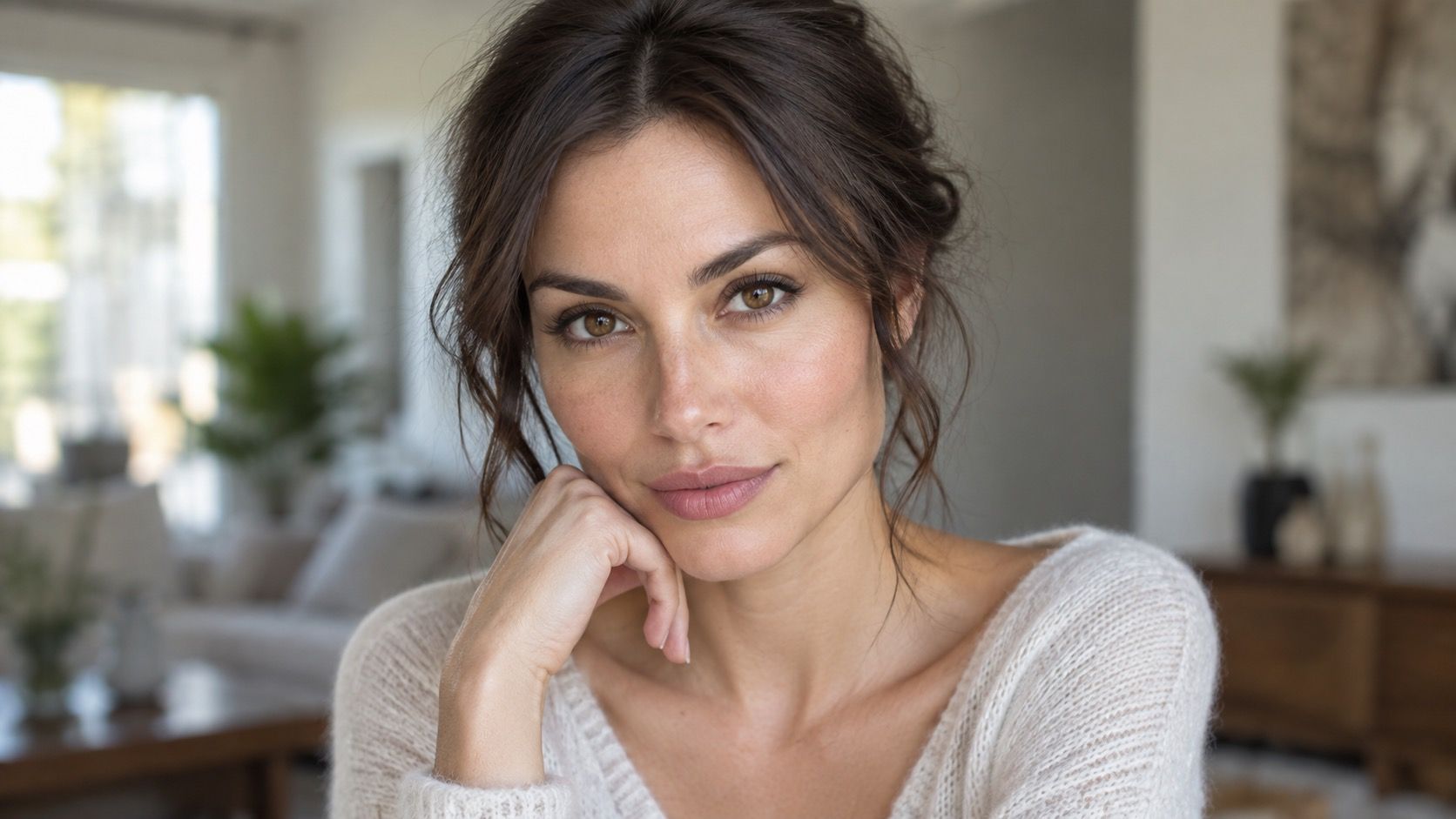
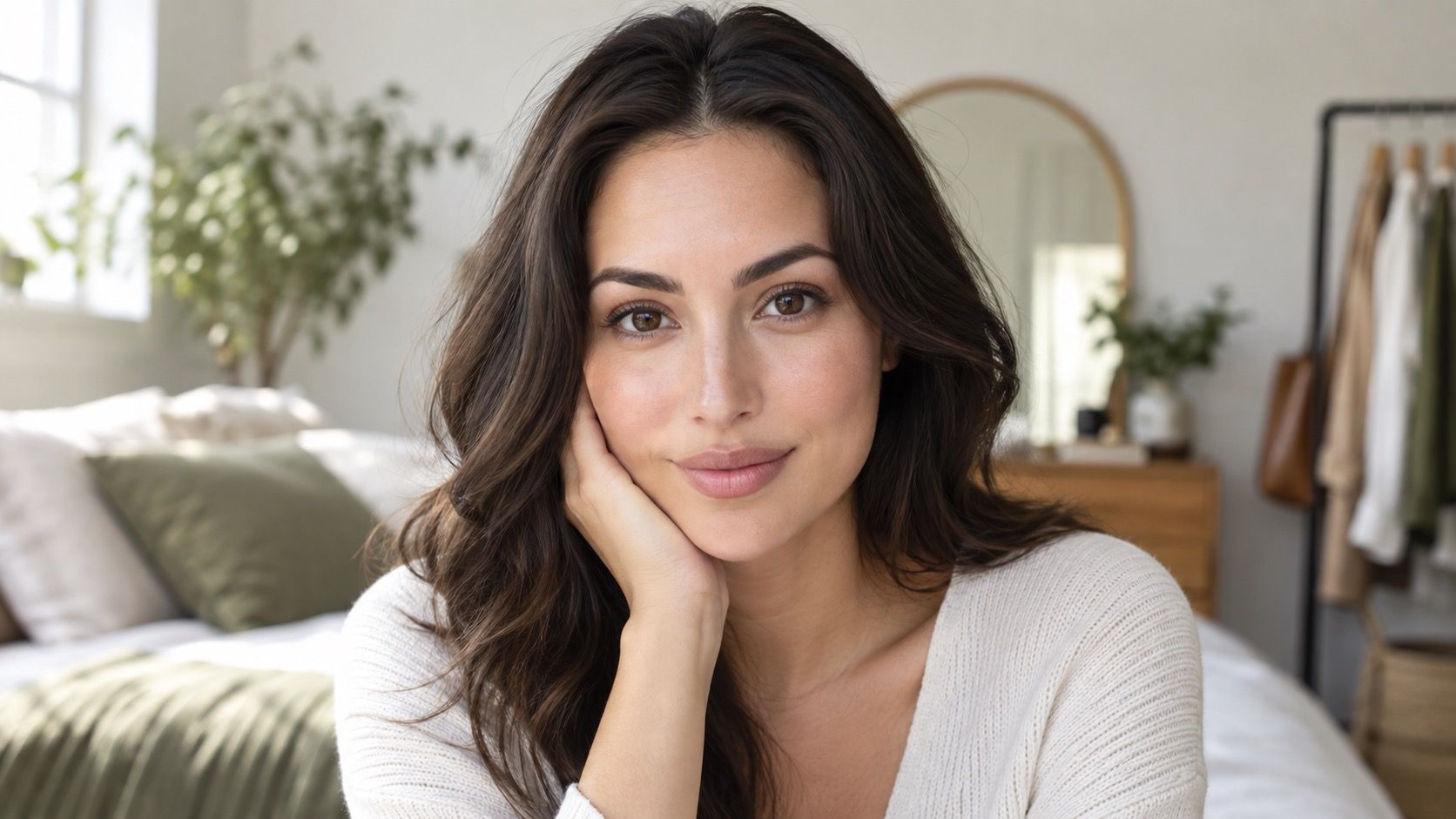
Oval faces tend to have a softly curved perimeter instead of obvious angles. The forehead may be slightly wider than the jaw, the cheeks generally do not flare far beyond the rest of the face, and the chin is rounded rather than sharply pointed or square. Length is usually noticeable, though not dramatically longer than width. Think of an egg turned upside down: fuller near the upper half and gradually narrower at the bottom. It is a general visual pattern, not a template your face needs to match exactly.
People often confuse an oval face with a long face because both can have more vertical length. The difference is proportion. A long or oblong face usually looks distinctly longer from hairline to chin, while an oval face keeps a more even relationship between length, forehead, cheeks, and jaw. An oval outline also tends to remain soft at the sides rather than appearing parallel.
How to check your face shape at home
Use a mirror or a straightforward front-facing photo. Pull hair away from the face if possible, stand in even light, relax your jaw, and keep your head level. A phone held too close can widen the center of the face, so place it at eye level and step back a little. Avoid smiling broadly for the first check, since a tight smile can change the shape of the cheeks and jawline.
Start by comparing four areas: forehead, cheekbones, jaw, and total face length. With an oval face, the cheekbones may be the widest point, while the forehead and jaw are somewhat narrower. The jawline generally curves into the chin rather than ending in a firm horizontal corner. Then compare the distance from hairline to chin with the width across the cheekbones. If the face is moderately longer than wide and the outline stays rounded, oval may be a useful description.
Measurements can help, but they do not need to be exact. A flexible tape measure or a piece of string can show relative width and length. Record what you see once, then check again on a different day or with a different photo. Consistent proportions matter more than chasing a precise number.
Oval face characteristics to look for
The most common characteristics are a gently tapered jaw, a rounded chin, and a face length that exceeds its width without looking elongated. The upper face and lower face tend to feel visually connected rather than strongly contrasted. Cheekbones can be prominent, but they usually blend into the temples and jaw instead of creating a wide, circular silhouette.
Hairline shape can make the forehead look higher, lower, narrower, or wider, so it should be treated as one clue rather than proof. The same is true for cheek fullness. Weight changes, expression, camera angle, and lighting can make an oval face look rounder in a photo. A defined jaw can make it look more square. Those overlaps are normal, and many people sit between familiar categories.
If two descriptions both seem close, write down the repeating traits instead of forcing a label. For example, you might have the length of an oval face with a heart-shaped hairline, or soft oval proportions with a stronger jaw. That information is more useful for a haircut or pair of glasses than a category chosen with false certainty.
Oval face versus round, square, and heart shapes
A round face is usually close in length and width, with fuller cheeks and a softly curved jaw. An oval face typically has more length and a subtler taper toward the chin. A square face has a broader, more angular jaw and forehead, often with similar widths across those areas. An oval face may still have a noticeable jaw, but its corners are less pronounced.
Heart-shaped faces often have a wider forehead and cheekbone area that narrows more sharply into a small chin. An oval face can also taper, but the change is gradual. Looking only at the chin can be misleading: a gentle chin does not automatically make a face heart-shaped, just as a wide forehead does not automatically make it oval. Compare the entire outline from hairline to jaw.
It is also worth remembering that face shape is not a diagnosis. It is simply a way to describe proportions. A result is useful when it gives you language for what you see, not when it tells you that certain looks are off-limits.
Hairstyles that work with oval proportions
Oval proportions are flexible because they can carry both soft volume and cleaner lines. A center part can emphasize symmetry, while a side part adds movement and changes where volume sits around the forehead. Long layers, a shoulder-length cut, textured waves, a cropped cut, or a bob can all work; the better choice depends on hair texture, maintenance, and what you want the style to highlight.
Bangs are not automatically flattering or unflattering for an oval face. Curtain bangs can soften the forehead area, while a fuller fringe can make the face appear shorter. If you like a short cut, leaving a little height at the crown can keep the silhouette open. If you prefer long hair, layers that begin around the cheekbones or jaw can add shape without hiding the face completely.
Try styles in ordinary conditions, not only under salon lighting. Notice how the cut behaves when you part it yourself, wear glasses, or pull it back. A face-shape guide can suggest starting points, but your hair density, curl pattern, and routine have more influence on whether a style feels right.
Glasses, makeup, and accessories
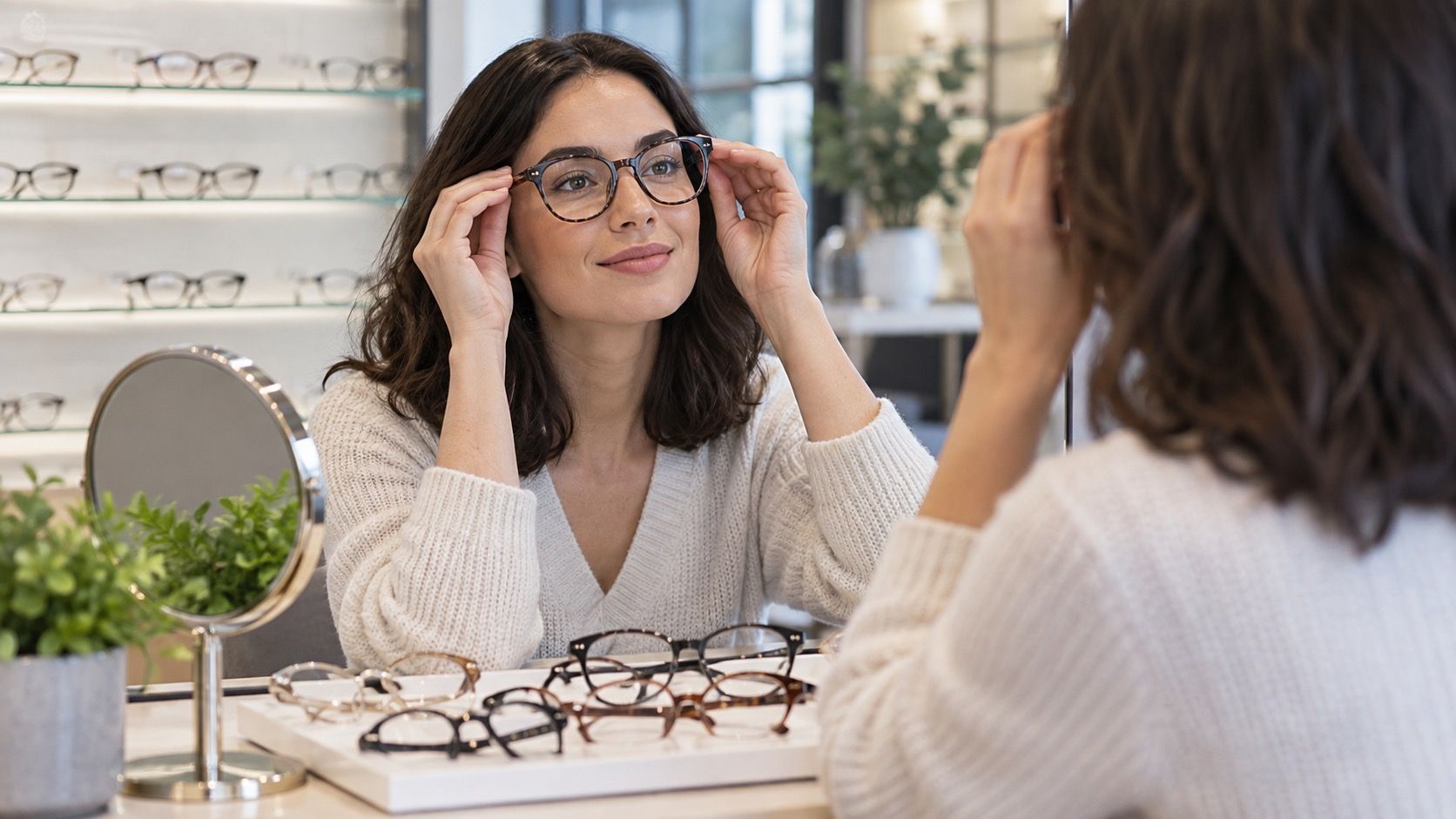
For glasses, oval faces can usually explore a wide range of frames. Rectangular frames add structure, round frames echo the soft outline, and slightly upswept frames draw attention toward the eyes. Fit matters more than the label on the frame: the bridge should sit comfortably, the frame should not slide, and the width should feel balanced with your features. Trying frames on is more informative than choosing based on a face-shape chart alone.
Makeup can be used to emphasize features rather than correct them. A light contour under the cheekbones can add definition, while blush placed high and slightly outward can support a lifted look. If you enjoy a more sculpted effect, keep the placement soft and blend well. There is no need to make an oval face look narrower, shorter, or sharper unless that is simply the style you want that day.
Earrings and necklines change the frame around the face too. Small hoops, long drops, bold studs, crew necks, and open collars can all create different impressions. Use face shape as one small part of the decision, then choose what feels comfortable and recognizably yours.
Use the result as a guide, not a rule
The best face-shape result is specific enough to be useful and loose enough to leave room for personal taste. Keep the observations that showed up consistently: perhaps your face is a little longer than wide, your cheekbones are prominent, and your jaw tapers softly. Those details can help when you compare haircuts, glasses, or makeup placement.
Revisit the question when needed. Different hair lengths, facial expressions, lenses, and even clothing can change the way an outline reads. You do not need to fit a single category perfectly to make deliberate style choices. An oval face shape is best understood as a balanced set of proportions, not a set of restrictions.